
Introduction to Minimalist Home Design
Minimalist home design is a refreshing approach that emphasizes simplicity and functionality without sacrificing style. It’s about creating a space where every item serves a purpose, allowing individuals to live with less clutter while enjoying the serenity that comes with an organized environment. This design philosophy can particularly resonate with those who feel overwhelmed by the chaos of modern living and seek a tranquil haven within their homes.
At its core, minimalism is not about stripping a space bare, but rather about making thoughtful choices that reflect your personal style and needs. It’s a celebration of quality over quantity, highlighting how a few well-chosen pieces can speak volumes. By focusing on essential elements, minimalist design creates a sense of calm and order, which can significantly enhance your mental well-being.
For those new to minimalism, the transition might seem daunting. However, the rewards are worth the effort. Imagine a home where everything has a place and purpose, reducing the daily stress of finding lost items or cleaning up unnecessary clutter. A minimalist home can also be a sustainable choice, as it encourages mindful consumption and reduces waste.
Embracing minimalist design doesn’t mean you have to sacrifice comfort or warmth. Instead, it allows you to showcase your unique personality through select pieces that bring joy and functionality to your living space. Whether through neutral color palettes, natural materials, or simple furnishings, minimalism offers a versatile canvas for self-expression.
Want to learn more about transforming your home into a minimalist sanctuary? Explore our full product line.
Benefits of Adopting Minimalism in Your Living Space
Embracing minimalism in your living space can transform not only the physical environment but also enhance your overall well-being and lifestyle. This design philosophy, characterized by simplicity, functionality, and the conscious removal of excess, offers a host of benefits that go beyond mere aesthetics.
Enhanced Focus and Clarity
One of the most profound advantages of a minimalist living space is the clarity it brings into your life. By decluttering and organizing your environment, you reduce distractions, allowing for improved focus and mental clarity. This simplification of surroundings creates a serene space fostering mindfulness and concentration, which can be particularly beneficial in today’s fast-paced world.
Improved Emotional Well-being
A clutter-free space can significantly impact your emotional health, reducing stress and anxiety levels. The minimalist approach encourages you to retain only what adds value to your life, promoting a sense of tranquility and peace. This emotional uplift translates into a happier, more fulfilling life, as your home environment becomes a sanctuary that supports your mental health.
Increased Functionality and Space
Minimalism accentuates functionality, ensuring that every piece of furniture and decor serves a purpose. This approach often leads to more open space, making your home feel larger and more inviting. The increased functionality of your living area means you can enjoy a more efficient, seamless lifestyle, free from the constraints of unnecessary items.
By adopting minimalism in your living space, you not only create a more aesthetically pleasing environment but also cultivate a way of life that prioritizes what truly matters. This approach supports not just a cleaner home but a clearer mind, a calmer heart, and a more connected life. Ready to explore how minimalism can transform your living space?
Common Misconceptions About Minimalist Homes
Minimalism is often perceived as a stark, barren design style that strips away all comfort and personality from a home. However, this is far from the truth. One of the most prevalent misconceptions is that a minimalist home is synonymous with emptiness. In reality, minimalism is about intentionality and creating spaces that are both functional and aesthetically pleasing without unnecessary clutter.
Another common misunderstanding is that minimalist homes are devoid of personal touches. On the contrary, minimalism emphasizes quality over quantity, allowing homeowners to showcase a few cherished pieces that hold personal significance. This approach not only makes each element in the space more meaningful but also ensures that the home reflects the owner’s unique personality.
Some believe that minimalism is an expensive endeavor, requiring high-end, designer pieces. While some minimalist designs do incorporate luxury items, the core principle is thoughtful curation, which can be achieved on any budget. The focus is on simplicity, elegance, and functionality, which can be accomplished through smart shopping and prioritizing essentials over excess.
Embracing minimalism doesn’t mean abandoning color or texture. A minimalist home can incorporate a palette of soft hues, diverse textures, and natural materials that add warmth and dimension to the space. This ensures a cozy, inviting environment rather than a cold, impersonal one.
Minimalism is not about depriving yourself of comfort or style; it’s about making conscious choices that enhance your living environment. By dispelling these myths, you can begin to appreciate the true essence of minimalist living—a harmonious balance of simplicity, functionality, and personal expression.
Ready to explore how minimalism can transform your home? Learn more about our minimalist home solutions and discover how you can achieve a clutter-free, stylish space without sacrificing comfort or personality.
Step-by-Step Guide to Decluttering Your Home
Embarking on a journey toward minimalism begins with the crucial step of decluttering your home, a process that not only refreshes your living space but also revitalizes your mental clarity. With a clear, structured approach, you can transform your home into a sanctuary of simplicity without losing its warmth or personality.
Start with a Vision
Before diving into the physical act of decluttering, take a moment to envision the end goal. What does your ideal minimalist home look like? Consider how you want each room to feel and function. This vision will guide your decisions and keep you motivated throughout the process.
Focus Room by Room
Avoid the overwhelming task of tackling your entire home at once. Instead, concentrate on one room at a time. Begin with the space that causes the most stress or clutter, as clearing this area can provide an immediate sense of accomplishment. For example, start with the kitchen—a common clutter hotspot—where you can swiftly see a difference by discarding expired items or rarely used gadgets.
Sort and Simplify
- Keep: Items that you frequently use and bring you joy.
- Donate: Items in good condition that no longer serve you but could benefit others.
- Discard: Broken or unusable items that hold no sentimental value.
By sorting belongings into these categories, you streamline the decision-making process, ensuring that each item retained truly enhances your space.
Embrace the One-In, One-Out Rule
To maintain a clutter-free environment, adopt the “one-in, one-out” rule. Whenever you acquire a new item, let go of an old one. This practice prevents accumulation and encourages intentional buying, aligning perfectly with a minimalist lifestyle.
Decluttering doesn’t have to be an arduous task. By following these steps, you can create a home that is not only organized and efficient but also a reflection of your personal style and values. Ready to transform your space?
Choosing Functional Yet Stylish Furniture
Mastering minimalism in your living space doesn’t mean sacrificing style or functionality. Instead, it involves finding the perfect balance where each piece serves both a purpose and an aesthetic function. When selecting furniture for your minimalist home, consider a few key principles that can help transform your space into a sanctuary of simplicity and sophistication.
Prioritize Functionality
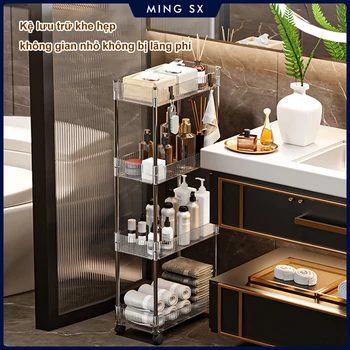
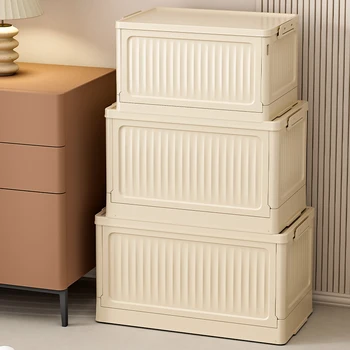
The cornerstone of minimalist design is functionality. Start by identifying your essential needs. Do you require ample storage space, or is a comfortable seating arrangement your priority? Opt for furniture that caters directly to these needs without adding unnecessary bulk. For example, a sleek, extendable dining table can serve dual purposes, offering everyday functionality while accommodating guests when needed. Multifunctional pieces, like ottomans with hidden storage, are excellent choices that maximize utility.
Embrace Stylish Simplicity
While functionality is crucial, style should not be overlooked. Minimalist furniture often features clean lines, neutral colors, and natural materials, which create a calming and inviting atmosphere. Look for pieces with a timeless appeal that can seamlessly adapt to any decor changes you might make over time. A well-crafted wooden coffee table or a leather sofa with a simple silhouette can serve as a focal point, adding warmth and character without overwhelming the space.
Think Beyond Trends
Trendy furniture pieces might be tempting, but they can quickly become outdated. Instead, invest in quality, timeless pieces that will remain stylish for years. This approach not only supports sustainability but also ensures your home remains elegant and uncluttered, aligning with the minimalist ethos. Prioritizing durability over fleeting trends ensures that your space remains functional and aesthetically pleasing long into the future.




0 Comments